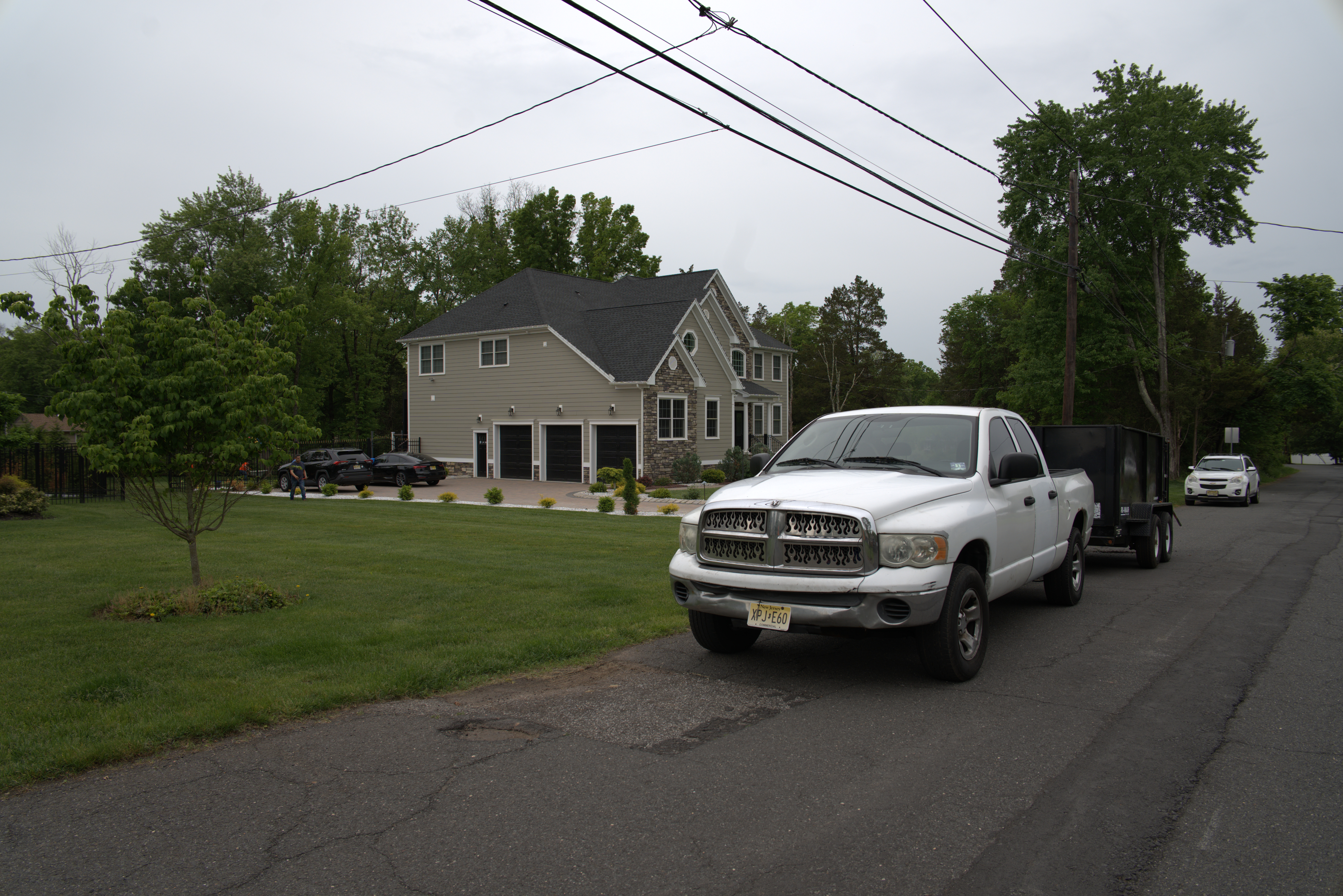
Sustainable Hardscaping: Eco-Friendly Materials and Techniques for Your Landscape May 07, 2026
Understanding the significance of sustainable hardscaping begins with recognizing the variety of eco-friendly materials available. Recycled materials, such as reclaimed wood or recycled concrete, provide a second life to materials otherwise destined for landfills. Permeable pavers are another excellent choice, which facilitate natural water absorption, reducing runoff and promoting groundwater replenishment. Natural stone, such as slate or granite, not only offers timeless beauty but also durability, reducing the need for frequent replacements.
With a plethora of eco-friendly options at hand, the next step is to integrate these materials into practical hardscaping designs. Consider the pathways that wind through your garden. Opt for permeable pathways, which allow water to seep through the gaps, diminishing the rate of erosion and promoting a more sustainable drainage solution. Similarly, utilizing permeable surfaces for driveways or patios enables sustainable water management on a larger scale.
Beyond material selection, implementing eco-friendly techniques is crucial in hardscaping projects. Xeriscaping, a landscaping practice that reduces the need for irrigation, can be effectively integrated within hardscaped areas. By carefully selecting native plants and drought-resistant vegetation, it is possible to diminish water consumption while maintaining lush, vibrant surroundings. This technique also encourages biodiversity by attracting local wildlife.
A sustainable hardscape design also incorporates energy-efficient lighting solutions. Replace older, power-hungry lights with LED or solar-powered alternatives. This not only cuts down on energy bills but reduces carbon footprint, aligning perfectly with the ethos of environmental sustainability.
Furthermore, when planning your hardscaping projects, consider the orientation of your outdoor spaces. Positioning seating or dining areas in naturally sunny areas reduces the need for artificial heating or lighting. Aligning elements with natural features of the land not only maximizes aesthetic and functional appeal but also conserves energy.
The benefits of sustainable hardscaping extend beyond environmental rewards. Using these practices often results in long-term cost savings. Durable materials require less maintenance and have longer lifespans, reducing the frequency and cost of replacements. The efficient water management afforded by permeable materials or xeriscaping translates into reduced water bills.
At Landscape360x, we are committed to helping our clients create stunning landscapes that are environmentally responsible and financially beneficial. Our team of experts is well-versed in the latest sustainable hardscaping practices and is eager to collaborate with homeowners to transform ordinary spaces into eco-friendly havens.
In conclusion, sustainable hardscaping is not just a trend; it's a necessary step towards a more eco-conscious lifestyle. By choosing environmentally friendly materials and techniques, you protect natural resources while enhancing the beauty and utility of your outdoor areas. Embracing these practices with Landscape360x means contributing positively to the environment without sacrificing style or functionality. Start your journey towards a sustainable landscape today and enjoy the perennial benefits it brings.
/filters:no_upscale()/filters:format(webp)/media/3d969961-9663-446a-b27c-bbe3ac7c7485.jpeg)